

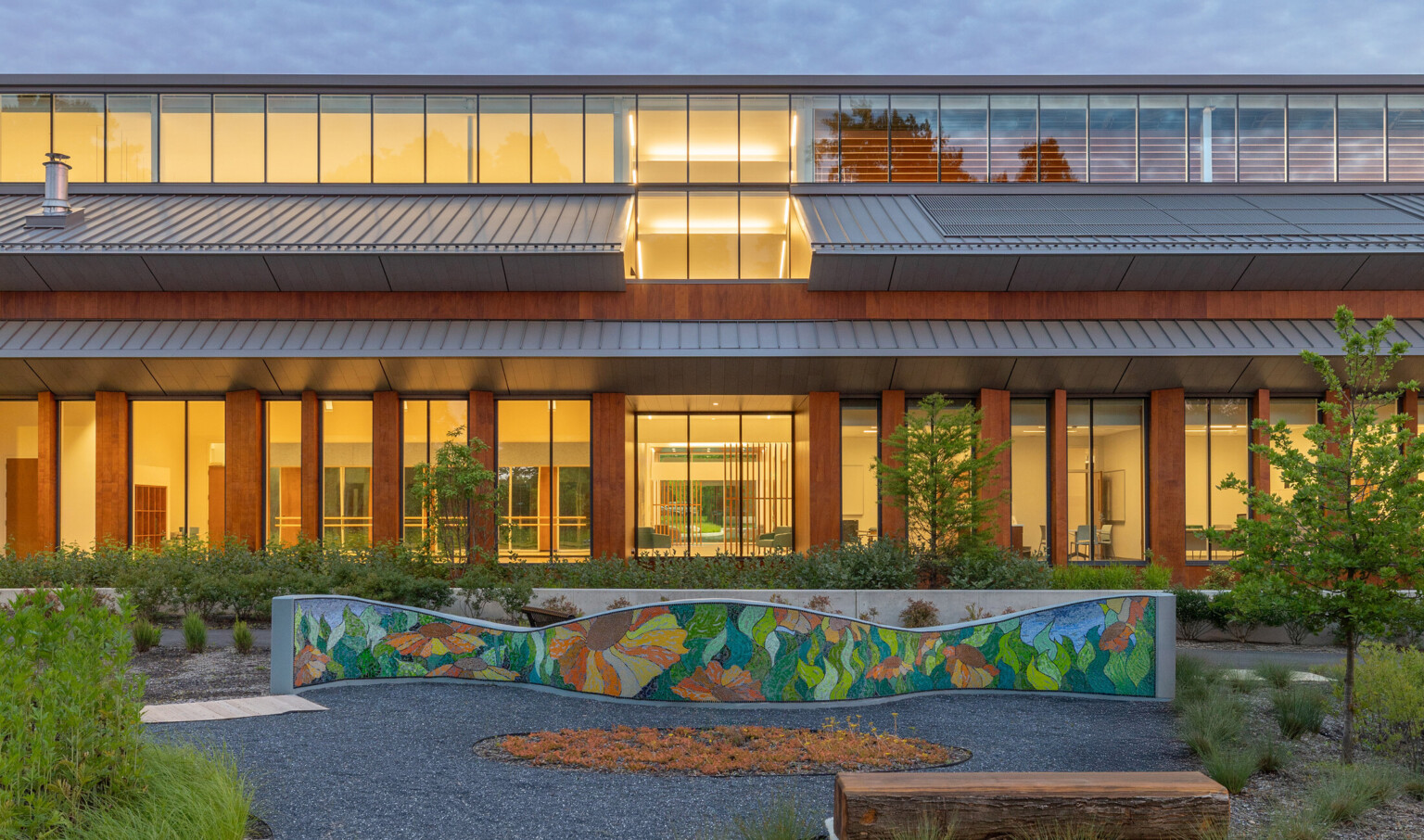
Sports & Recreation Roofing | Long-Span & Natatorium
Charlotte sports and recreation facility roofing - long clear-span decks, natatorium chloramine corrosion, and pool-hall humidity control built for the occupancy.
Sports & Recreation Roofing | Long-Span & Natatorium
Charlotte sports and recreation facility roofing - long clear-span decks, natatorium chloramine corrosion, and pool-hall humidity control built for the occupancy.
Sports & Recreation Roofing | Long-Span & Natatorium roof work is shaped by occupancy, access, drainage, tenant protection, and the warranty path that fits the building.
Property Type Sports & Recreation Facility Roofing in Charlotte, NC Two things define a roof over a gym, field house, or aquatic center: the span is enormous and the air inside is working against the assembly.
Charlotte is a heavy recreation market - county rec centers and YMCAs across Mecklenburg, the club soccer and travel-sports demand that fills indoor facilities in Ballantyne and the University City area, and the aquatic and field-house buildings that anchor public parks and private clubs.
Long Clear Spans Move, and the Roof Has to Move With Them A gymnasium or arena deck can run sixty, eighty, sometimes well over a hundred feet between supports.
A span that long deflects under wind and snow, and the fastening that holds a membrane down on a thirty-foot bay is not the same calculation at eighty feet.
Long-span roofs also concentrate drainage at the low points of big bays, so tapered insulation and adequate drains matter more here than on a small commercial box.
Chlorine reacts with the organic load swimmers bring in and produces chloramines - corrosive compounds that hang in the warm, saturated air over the pool, attack standard steel and aluminum flashing, eat at some membrane adhesives, and condense into the roof assembly if the vapor control is wrong.
We have seen natatorium roofs where the edge metal and fasteners corroded out years before the membrane should have aged.
Over a pool hall we specify stainless or copper flashing in the chloramine zones, confirm membrane and adhesive compatibility against the manufacturer's chemical data, and coordinate with the mechanical design so the exhaust pushes that air outside rather than recirculating it under the deck.
Humidity Control Across the Whole Building Even without a pool, dense athletic occupancy and locker rooms put a real moisture load into the air.
The vapor retarder has to sit on the correct face of the assembly for Charlotte's warm, humid climate - a detail that is genuinely climate-specific, and getting it backward drives condensation into the insulation.
Before we re-roof any high-humidity rec facility we run a moisture survey on the existing assembly, because recovering over wet, misspecified insulation just buries the problem deeper and guarantees a callback.
Tapered insulation to drain the low points of long-span bays.
How Sports & Recreation Roofing | Long-Span & Natatorium affects the roof scope
Sports & Recreation Roofing | Long-Span & Natatorium roof work is shaped by occupancy, access, roof size, equipment density, tenant expectations, safety requirements, and how the owner uses the building.
The same membrane failure can require a different plan on a warehouse, office, school, restaurant, medical building, retail center, or multifamily property because the operating constraints are different.
What owners should expect to see in writing
The written scope should identify existing roof conditions, active leak points, drainage concerns, roof traffic areas, equipment curbs, edge conditions, and any areas that require further testing before pricing is final.
It should also separate near-term repair from longer-term capital planning so the owner can decide what needs action now and what belongs in the next budget cycle.
Related planning paths
Owners can use this page with commercial roof maintenance, commercial roof replacement, roof systems, and roof asset management.
Those links connect the building type to the service path, system choice, and documentation work needed to make a responsible roof decision.
Scope questions to answer early
Before a final scope is written for Sports & Recreation Roofing | Long-Span & Natatorium, the building owner should understand what roof areas were observed, what areas were not accessible, what assumptions are being made, and what conditions could change the price or schedule after work begins.
That includes active leak locations, ponding water, interior sensitivity, roof traffic, parapet and edge conditions, equipment curbs, drain condition, prior repairs, membrane age, substrate concerns, and whether the roof has already been recovered before.
Documentation that makes the proposal useful
A useful commercial roof proposal should do more than name a material and a price. It should describe the problem being solved, the areas included, the exclusions, the access plan, the safety or tenant constraints, and the closeout documents the owner should receive.
For Sports & Recreation Roofing | Long-Span & Natatorium, that documentation should connect back to the related service, system, capability, industry, property type, or location pages on this site so the owner can compare the decision against nearby roof paths instead of reading the page in isolation.
Maintenance and lifecycle planning
Even when the immediate work is a repair, the roof still needs a maintenance path. Drains need to remain clear, flashings need periodic checks, rooftop equipment work should be recorded, and any patched areas should be revisited after heavy weather.
For replacement, recover, or coating work, the maintenance plan becomes part of the lifecycle value. A roof that is documented at closeout and revisited on a schedule is easier to defend when warranty questions, future budgets, or property transactions come up.
How this page connects internally
Use roof work pages to compare specific scopes, roof system pages to compare assemblies, capability pages to understand reporting and planning support, and service area pages to keep the Charlotte context clear.
That internal structure is intentional. A commercial roof decision usually needs more than one page: the condition, the building type, the system, the service path, the documentation requirement, and the local access picture all work together.
What should happen before work starts
Before crews mobilize, the building should have a clear access plan, a communication point of contact, a weather plan, a material staging plan, and a way to protect tenants, inventory, equipment, or daily operations below the roof.
For Sports & Recreation Roofing | Long-Span & Natatorium, those pre-work details are part of the roof scope because they affect safety, schedule, cleanup, and whether the work can be completed without avoidable disruption to the commercial property.
Closeout and next-step record
After the work is complete, the owner should receive a usable record: what was done, where it was done, what materials were used, what photos document the work, what warranty or maintenance notes apply, and what conditions should be watched later.
That closeout record is what keeps the next roof conversation from starting over. It gives future maintenance teams, property managers, buyers, lenders, or ownership groups a cleaner picture of the roof's condition and the decisions already made.
If the next step after Sports & Recreation Roofing | Long-Span & Natatorium is not obvious, the safest path is to compare the condition record against repair, maintenance, coating, replacement, and system-selection pages before deciding how much work belongs in the current budget cycle. That comparison keeps the recommendation tied to the roof in front of the owner, and it keeps the final scope from drifting into work the building does not need.
Request a Written Scope