

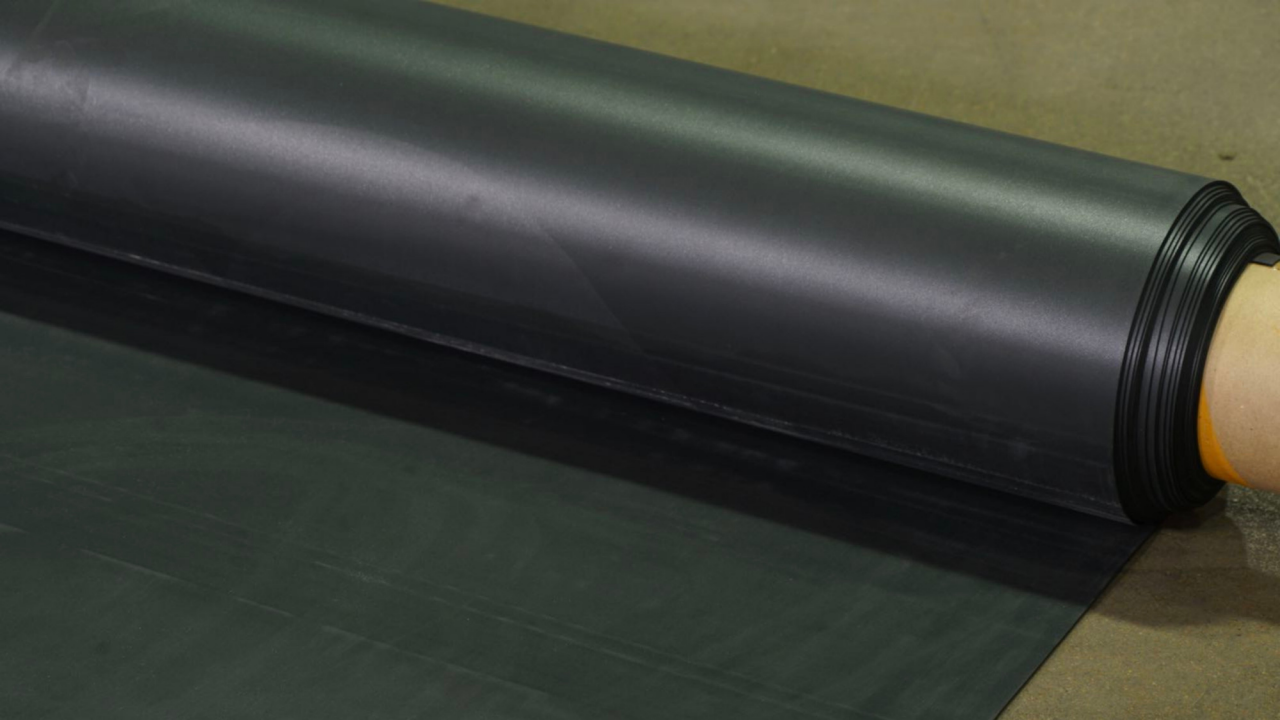
EPDM Roof Systems
EPDM commercial roof system installation and replacement for Charlotte industrial, warehouse, and high-traffic rooftop applications - 60-mil fully adhered and mechanically attached systems with documented warranty closeout.
EPDM Roof Systems
EPDM commercial roof system installation and replacement for Charlotte industrial, warehouse, and high-traffic rooftop applications - 60-mil fully adhered and mechanically attached systems with documented warranty closeout.
EPDM Roof Systems decisions should account for roof traffic, drainage, substrate condition, chemical exposure, warranty goals, and ownership horizon.
For portfolio owners, the goal is consistent documentation across properties, not a one-off opinion that cannot be compared later.
The first visit produces a practical roof record: current conditions, visible failure points, drainage notes, access concerns, and the repair or replacement path that fits the building.
Owners get a written scope that separates urgent water-control work from longer-term capital planning, so the roof decision is not made from guesswork.
The closeout package keeps the next decision clear with before photos, after photos, material notes, warranty coordination, and recommended maintenance timing.
For occupied buildings, staging, access, odor control, and tenant communication are part of the roof plan before crews arrive.
When EPDM Roof Systems fits a commercial roof
EPDM Roof Systems should be evaluated against the roof's slope, drainage, deck condition, existing insulation, roof traffic, chemical exposure, equipment layout, edge conditions, and warranty needs.
A system that is appropriate for one building can be a poor fit for another if the substrate is wet, the roof sees heavy service traffic, the drainage is weak, or the owner needs a different lifecycle cost profile.
Questions to answer before selecting the system
Before pricing a system, the roof should be checked for trapped moisture, deck movement, previous recover layers, unsupported equipment, clogged drains, and flashing details that could shorten the life of the new assembly.
That review also helps separate a true replacement candidate from a repair, coating, or maintenance candidate. The written scope should explain why the selected system fits the building instead of treating every low-slope roof the same way.
Connected roof decisions
Use this page with roof replacement planning, commercial roof coatings, moisture survey services, and property type pages to compare the full scope.
Those connected pages help an owner think through the system, the building use, the testing needed, and the maintenance record that should follow installation.
Scope questions to answer early
Before a final scope is written for EPDM Roof Systems, the building owner should understand what roof areas were observed, what areas were not accessible, what assumptions are being made, and what conditions could change the price or schedule after work begins.
That includes active leak locations, ponding water, interior sensitivity, roof traffic, parapet and edge conditions, equipment curbs, drain condition, prior repairs, membrane age, substrate concerns, and whether the roof has already been recovered before.
Documentation that makes the proposal useful
A useful commercial roof proposal should do more than name a material and a price. It should describe the problem being solved, the areas included, the exclusions, the access plan, the safety or tenant constraints, and the closeout documents the owner should receive.
For EPDM Roof Systems, that documentation should connect back to the related service, system, capability, industry, property type, or location pages on this site so the owner can compare the decision against nearby roof paths instead of reading the page in isolation.
Maintenance and lifecycle planning
Even when the immediate work is a repair, the roof still needs a maintenance path. Drains need to remain clear, flashings need periodic checks, rooftop equipment work should be recorded, and any patched areas should be revisited after heavy weather.
For replacement, recover, or coating work, the maintenance plan becomes part of the lifecycle value. A roof that is documented at closeout and revisited on a schedule is easier to defend when warranty questions, future budgets, or property transactions come up.
How this page connects internally
Use roof work pages to compare specific scopes, roof system pages to compare assemblies, capability pages to understand reporting and planning support, and service area pages to keep the Charlotte context clear.
That internal structure is intentional. A commercial roof decision usually needs more than one page: the condition, the building type, the system, the service path, the documentation requirement, and the local access picture all work together.
What should happen before work starts
Before crews mobilize, the building should have a clear access plan, a communication point of contact, a weather plan, a material staging plan, and a way to protect tenants, inventory, equipment, or daily operations below the roof.
For EPDM Roof Systems, those pre-work details are part of the roof scope because they affect safety, schedule, cleanup, and whether the work can be completed without avoidable disruption to the commercial property.
Closeout and next-step record
After the work is complete, the owner should receive a usable record: what was done, where it was done, what materials were used, what photos document the work, what warranty or maintenance notes apply, and what conditions should be watched later.
That closeout record is what keeps the next roof conversation from starting over. It gives future maintenance teams, property managers, buyers, lenders, or ownership groups a cleaner picture of the roof's condition and the decisions already made.
If the next step after EPDM Roof Systems is not obvious, the safest path is to compare the condition record against repair, maintenance, coating, replacement, and system-selection pages before deciding how much work belongs in the current budget cycle. That comparison keeps the recommendation tied to the roof in front of the owner, and it keeps the final scope from drifting into work the building does not need.
Request a Written Scope