

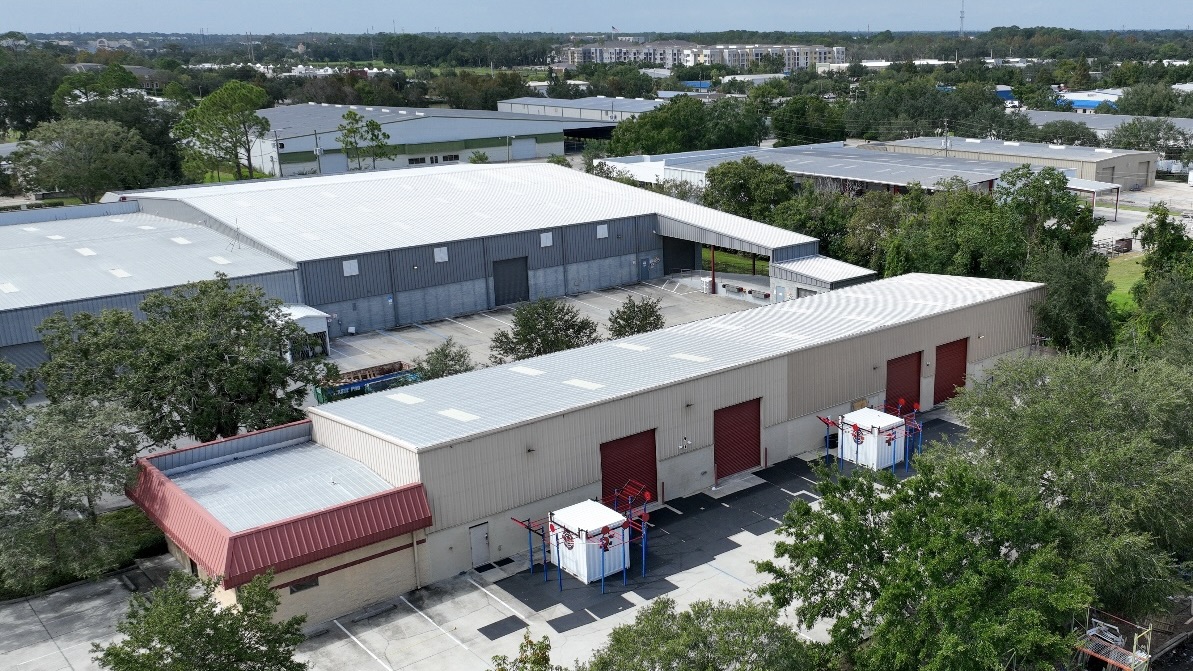
Drone Roof Inspection & Aerial Thermal Survey
Aerial and thermal drone roof inspections in Charlotte, NC. We map trapped moisture on large low-slope roofs without foot traffic, fly under FAA Part 107, and deliver claim-ready
Drone Roof Inspection & Aerial Thermal Survey
Aerial and thermal drone roof inspections in Charlotte, NC. We map trapped moisture on large low-slope roofs without foot traffic, fly under FAA Part 107, and deliver claim-ready documentation.
Drone Roof Inspection & Aerial Thermal Survey work starts with a documented roof walk and ends with a scope owners can use.
A faster, safer way to read a 300,000-square-foot roof Walking a giant distribution roof in the Steele Creek industrial zone the old way takes a two-person crew most of a day, and even then they are reading the membrane from standing height, one bay at a time.
We fly the whole field at a fixed altitude with a high-resolution camera and a calibrated thermal sensor, cover the roof systematically in a fraction of the time, and never put a boot on a membrane whose condition we have not confirmed yet.
On the sprawling low-slope roofs that line Charlotte's logistics corridors out toward the airport and along I-85, that mix of speed, completeness, and zero foot-traffic risk is tough to beat.
It matters most where walking the roof is itself the hazard.
A brittle, aged modified-bitumen roof on a warehouse near the University Research Park, a roof with marginal structural condition, a roof slick after one of our afternoon thunderstorms: in every one of those cases we would rather gather the data from the air first and then send a tech to the handful of spots that genuinely need a hands-on look.
The moisture map is the real deliverable The single most valuable thing a drone survey produces on a commercial roof is a map of where the insulation is wet, and that is a thermal job, not a visual one.
After a clear, hot Charlotte day the entire roof soaks up heat, and once the sun drops the dry areas shed that heat to the night sky quickly while the saturated areas hold onto it.
The membrane can look flawless from overhead and still be hiding a spreading field of saturated insulation underneath.
That map is what turns an inspection into a decision.
It tells us whether you have a few discrete wet zones that can be cut out and patched, or a roof wet across enough of its area that a recover or full replacement is the honest answer.
We confirm every thermal anomaly with a physical core cut at the flagged locations before anyone writes a repair scope, so the moisture map is verified, not assumed.
Why thermal beats a walkover for finding water A thermal pass reads the entire roof during the narrow post-sunset window, while a walking inspector cannot cover a large roof fast enough to catch that window across the whole field.
Planning Drone Roof Inspection & Aerial Thermal Survey
Drone Roof Inspection & Aerial Thermal Survey should be evaluated through the roof condition, the building use, the owner's timing, and the level of documentation needed to make a decision.
The written record should make the next step clear without relying on broad claims or generic sales language.
Scope questions to answer early
Before a final scope is written for Drone Roof Inspection & Aerial Thermal Survey, the building owner should understand what roof areas were observed, what areas were not accessible, what assumptions are being made, and what conditions could change the price or schedule after work begins.
That includes active leak locations, ponding water, interior sensitivity, roof traffic, parapet and edge conditions, equipment curbs, drain condition, prior repairs, membrane age, substrate concerns, and whether the roof has already been recovered before.
Documentation that makes the proposal useful
A useful commercial roof proposal should do more than name a material and a price. It should describe the problem being solved, the areas included, the exclusions, the access plan, the safety or tenant constraints, and the closeout documents the owner should receive.
For Drone Roof Inspection & Aerial Thermal Survey, that documentation should connect back to the related service, system, capability, industry, property type, or location pages on this site so the owner can compare the decision against nearby roof paths instead of reading the page in isolation.
Maintenance and lifecycle planning
Even when the immediate work is a repair, the roof still needs a maintenance path. Drains need to remain clear, flashings need periodic checks, rooftop equipment work should be recorded, and any patched areas should be revisited after heavy weather.
For replacement, recover, or coating work, the maintenance plan becomes part of the lifecycle value. A roof that is documented at closeout and revisited on a schedule is easier to defend when warranty questions, future budgets, or property transactions come up.
How this page connects internally
Use roof work pages to compare specific scopes, roof system pages to compare assemblies, capability pages to understand reporting and planning support, and service area pages to keep the Charlotte context clear.
That internal structure is intentional. A commercial roof decision usually needs more than one page: the condition, the building type, the system, the service path, the documentation requirement, and the local access picture all work together.
What should happen before work starts
Before crews mobilize, the building should have a clear access plan, a communication point of contact, a weather plan, a material staging plan, and a way to protect tenants, inventory, equipment, or daily operations below the roof.
For Drone Roof Inspection & Aerial Thermal Survey, those pre-work details are part of the roof scope because they affect safety, schedule, cleanup, and whether the work can be completed without avoidable disruption to the commercial property.
Closeout and next-step record
After the work is complete, the owner should receive a usable record: what was done, where it was done, what materials were used, what photos document the work, what warranty or maintenance notes apply, and what conditions should be watched later.
That closeout record is what keeps the next roof conversation from starting over. It gives future maintenance teams, property managers, buyers, lenders, or ownership groups a cleaner picture of the roof's condition and the decisions already made.
If the next step after Drone Roof Inspection & Aerial Thermal Survey is not obvious, the safest path is to compare the condition record against repair, maintenance, coating, replacement, and system-selection pages before deciding how much work belongs in the current budget cycle. That comparison keeps the recommendation tied to the roof in front of the owner, and it keeps the final scope from drifting into work the building does not need.
Request a Written Scope